
THANK YOU FOR SUBSCRIBING

Be first to read the latest tech news, Industry Leader's Insights, and CIO interviews of medium and large enterprises exclusively from Logistics Transportation Review


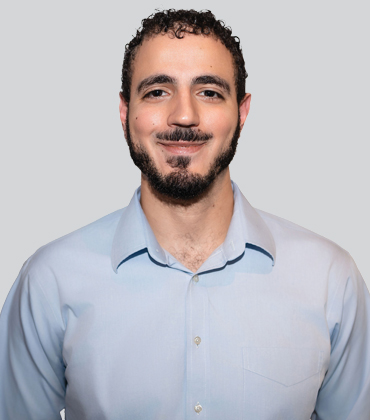 Tariq Soliman, CEO
With decades of industry experience, Dakota Group helps motor carriers, owner-operators, brokers and other transportation businesses manage compliance responsibilities through direct access to experienced, U.S.-based specialists. Its services include DOT and FMCSA registrations and filings, MOTUS enrollment support, Unified Carrier Registration (UCR) filings, MCS-150 updates, BOC-3 filings, drug and alcohol testing management, Drug and Alcohol Clearinghouse assistance, driver qualification files and audit preparation.
“We do it all so clients and their teams don’t have to,” says Tariq Soliman, CEO.
The time saved on these forms alone empowers many operations to move forward with their next priority, relying on a trusted team to manage filings as each deadline approaches.
The company combines filing services with ongoing support as businesses grow, records change and new requirements arise. Its specialists review existing information, identify potential compliance gaps and explain the steps needed to address them. Clients receive clear guidance on outstanding actions, required documentation and the responsibilities Dakota Group will manage.
Holding on to its conviction that compliance should empower carriers, not slow them down, Dakota Group takes on clients’ compliance-related responsibilities, easing their administrative burden and giving them more time to focus on running their businesses. Serving as a continuing point of contact, it helps clients keep their filings accurate, records organized and compliance support coordinated so that their businesses run smoothly.
Dakota Group begins by understanding how each client operates. Its specialists review the business’s structure, locations, operating territory, cargo and driver responsibilities, alongside existing registrations and available records. Factors such as interstate activity, vehicle classifications and commercial driver’s license requirements help inform the assessment.
Once the assessment is complete, the team then explains the applicable requirements, recommends relevant services and identifies the information needed to proceed. Clients receive a clear account of completed work, outstanding actions and upcoming obligations, including responsibilities that remain with their own teams.
Customers are not pressured to purchase services they do not need. Dakota Group’s sales representatives receive salaries and performance bonuses instead of commissions, and their compensation does not depend on whether a client needs an immediate update. They can therefore assess each business’s requirements and recommend relevant services without pressuring clients to pay for updates or services they do not need.
Steering Dakota Group further ahead is its value-driven model that combines in-house filing services and direct access to compliance specialists.
Professional Support, Without Unnecessary Complexity
Dakota Group handles filings in-house through professionals working at its New York City headquarters, Arizona office, and remote locations across the United States. Its sales and client success teams are entirely U.S.-based.
 Clients can also initiate routine filings through self-service options, with professional review for accuracy. When a submission requires clarification, additional documentation, or a correction, they can speak directly with a specialist by phone.
This combination gives clients a convenient way to manage routine requests while retaining access to experienced professionals when circumstances become more complicated.
Dakota Group has deliberately maintained a human-led support model, with no AI chatbots. Specialists assess individual circumstances, explain requirements, and help clients work through problems. Access to its services does not require software downloads or unnecessary subscriptions.
Helping Fleets Recover from Disruptions - Client Example
A construction company with approximately 30 trucks approached Dakota Group for help with English language proficiency training and MOTUS enrollment. Its USDOT registration was inactive, and several drivers had been placed out of service.
During its review, Dakota Group identified outdated Company Official information that was preventing account access. The client had also lost access to the email address associated with the account, further complicating recovery.
Working with the client’s IT team, Dakota Group helped restore account access, complete MOTUS enrollment, and submit the required USDOT reactivation filings. Throughout the engagement, its specialists explained the corrective steps and clarified responsibilities across the client’s teams.
The company subsequently returned to service, and the drivers requiring English language proficiency training completed it. Dakota Group continues to support the client’s periodic registration updates, helping keep its records current.
For Soliman, that ongoing relationship is central to the company’s approach.
“We have very low turnover and our clients get to enjoy long relationships with true industry specialists,” he says.
Expanding Support as Requirements Evolve
Dakota Group is placing greater emphasis on drug and alcohol testing management and Clearinghouse support. It introduced its drug testing offering in 2026 after existing filing clients described challenges navigating the testing process.
That feedback highlighted a need for assistance beyond registrations and filings. The company’s broader strategy brings filing services, driver qualification support, drug testing management, and audit preparation together under one provider.
As FMCSA systems and requirements evolve, Dakota Group also continues to adapt its MOTUS support to the enrollment and account-access challenges clients encounter.
Throughout that expansion, its focus remains consistent: practical compliance support, clear communication, and direct access to experienced professionals who understand each client’s business.
| Share this Article: Tweet |
Company
Dakota Group
Management
Tariq Soliman, CEO
Description
Dakota Group is a nationwide trucking compliance services provider helping motor carriers, owner-operators, freight brokers and fleet operators manage U.S. Department of Transportation (DOT) and Federal Motor Carrier Safety Administration (FMCSA) requirements. Dakota Group combines convenient online filing options with direct phone support from experienced, U.S.-based compliance specialists.
